How to get the most for your used car
September 21, 2026 8 min read
A stronger result is rarely one clever move. It comes from helping buyers understand the car, removing uncertainty, and giving more than one qualified buyer a reason to compete for it.
Start with the market, not a wish
Before naming a number, look at comparable vehicles with the same year, trim, mileage and broad condition. Asking prices are context, not completed sales. A car advertised for weeks may be evidence that its number is too high.
Then notice what moves your car away from the average: desirable options, a clean title, complete service history, or recent tires and brakes.
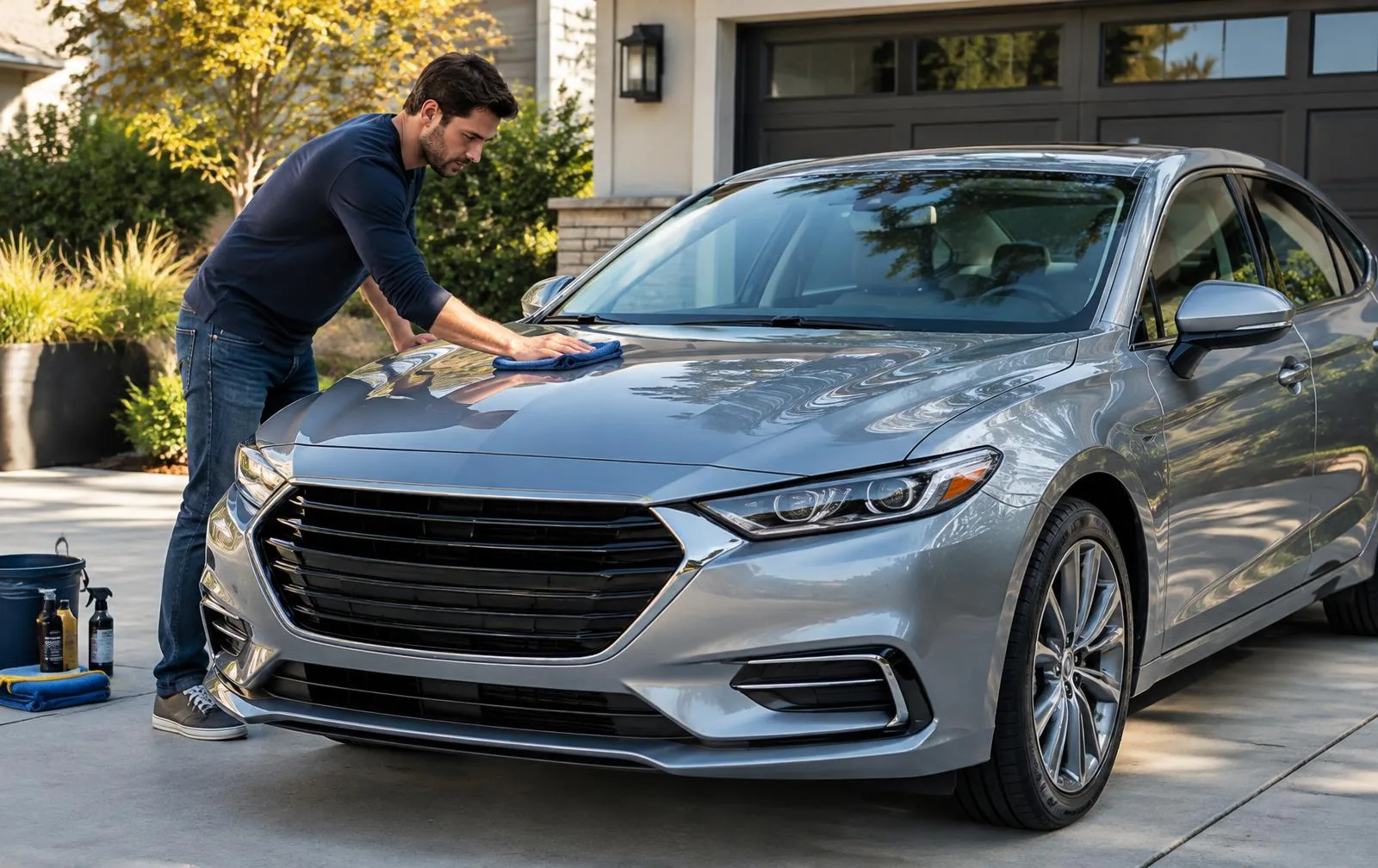
Clean it, but do not conceal it
A wash, a vacuum and the removal of personal items make a car easier to inspect. Presentation signals care. Concealment does the opposite.
- Never reset a warning light before an inspection
- Do not hide damage with temporary fixes
- Photograph wear honestly and in daylight
Buyers do not pay a premium for surprises. They pay for certainty.
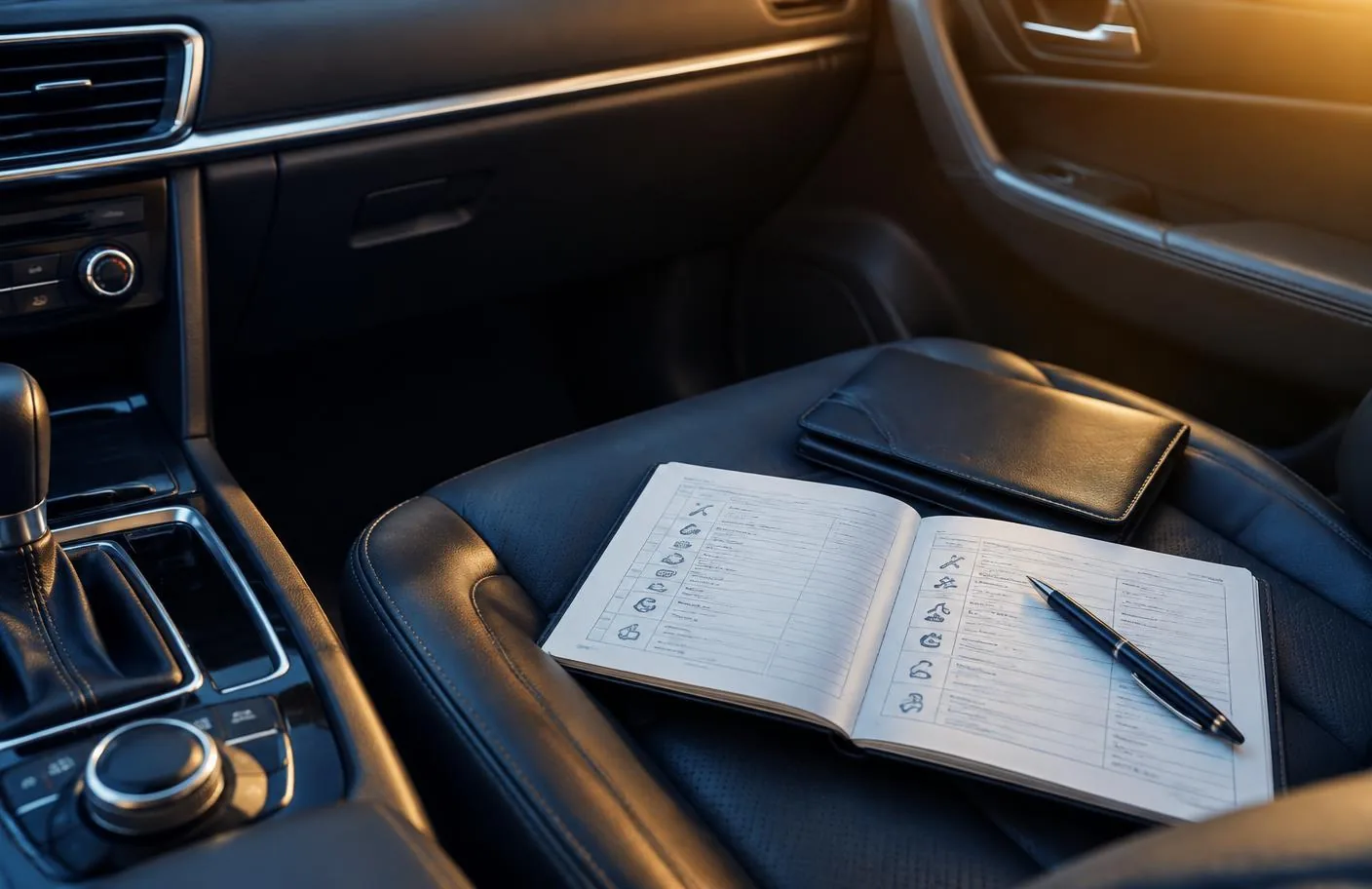
Gather the records that tell the story
See what dealers will pay for your car
Licensed dealers bid against each other. You set the lowest price you will accept.
Get my estimatePut service receipts, spare keys, the owner's manual and title information in one place. If there is a loan, ask the lender for a current payoff amount and the process they require.
Set your price with a plan
Your lowest price is the minimum you are genuinely prepared to accept, not an aspirational ask. On Fair Value Auto, dealers never see that number while they bid.
If competition beats it, Fair Value Auto keeps 10% of the improvement only. If the car sells at or below your lowest price, there is no seller fee.
Let genuine competition work
One buyer gives you one opinion. Several qualified buyers bidding at once is a clearer test of demand, because each dealer values the car against their own inventory and customers.